

Welcome to Medellin, Colombia!
Is Medellín, Colombia Safe to Visit
This is usually the first question people ask about Medellín — and honestly, we wondered the same thing before visiting.
Medellín had a very violent reputation in the 1980s and 1990s, largely due to drug cartel activity and the era of Pablo Escobar. At one point, it was considered one of the most dangerous cities in the world.
But Medellín today is very different.
During our time in the city, we used public transportation, explored different neighbourhoods, and joined guided tours — and we felt comfortable the entire time. That doesn’t mean you shouldn’t take normal precautions (like you would in any major city), but it did not feel unsafe or chaotic.
Medellín has gone through a massive transformation over the past two decades, investing heavily in public infrastructure, transportation, education, and cultural projects. It’s now one of the most visited cities in South America and a popular destination for digital nomads and travelers.

Cable cars in Medellin are part of their public transportation system.
Getting Around Medellín: Metro + Cable Cars
One of the most impressive parts of Medellín is its public transportation system.
We took the Metro de Medellín, which was clean, efficient, and surprisingly busy — even in the middle of the day. It’s the only metro system in Colombia and something locals are genuinely proud of.
What makes Medellín unique though?
The MetroCable.
These cable cars are fully integrated into the public transportation system — not just tourist attractions. Because Medellín is built in the Aburrá Valley and surrounded by steep mountains, many neighbourhoods sit high on the hillsides.
The cable cars connect these communities to the main city below.
Not only do they make commuting easier, but they were also part of a broader plan to improve access, opportunity, and safety in previously underserved areas.
And yes — the views are incredible.

Views from a cable car.
The Views Over Medellín
As the cable car climbs higher, you get a completely different perspective of the city.
You’ll see brick homes stacked along the hillsides, colourful buildings, and just how massive Medellín really is. The city has around 2.5 million people and stretches across the entire Aburrá Valley in the Andes Mountains.
One moment you’re surrounded by dense urban neighbourhoods… the next you’re heading toward farmland and forest.
It’s one of the coolest transitions we’ve experienced using public transportation anywhere.

Arvi Park entrance
Parque Arví: A Quiet Escape from the City
We took the metro and cable cars all the way to Parque Arví, a large ecological park just outside Medellín.
If you’re planning to visit:
Bring a sweater (it’s cooler up there)
Wear proper shoes
Bring bug spray
Don’t expect detailed signage or printed maps
When we arrived, we were a bit confused about where to go. There isn’t a traditional map handout — just a large one posted on a wall. English isn’t widely spoken in this area, so having a rough plan before you go is helpful.
That said, once we found the trails, it was peaceful and beautiful. There are wooded paths, small bridges, and quiet natural areas that feel a world away from the city below.
If you want a break from the urban energy, this is a great option.
👉 Explore Parque Arví with a guided nature tour:

Graffiti Tour
Comuna 13: From Dangerous to Inspiring
Later, we joined a walking tour in Comuna 13, one of the most well-known neighbourhoods in Medellín.
This area was once considered one of the most dangerous communities in the world during the height of cartel violence. Its location in the mountains made it difficult for law enforcement to access and easy for illegal activity to move through.
Today, Comuna 13 tells a very different story.
The neighbourhood is now famous for its street art, outdoor escalators, music, and cultural revival. The murals throughout the area tell stories of hardship, loss, resilience, and hope.
We highly recommend taking a guided walking tour here.
Having a local guide gives you important context about what happened in the past and how the community transformed itself. Hearing those personal stories makes the experience much more meaningful than just walking around for photos.
We highly recommend booking a guided tour in Comuna 13 rather than exploring on your own. The history here is powerful, and having a local guide explain what happened makes a huge difference.
👉 Check prices & availability for top-rated Comuna 13 walking tours here:

Views of Medellin
How Medellín Transformed
In the early 2000s, the government began investing heavily in public infrastructure and social programs.
This included:
The metro and cable car expansion
Outdoor escalators in Comuna 13
Libraries and community centers
Cultural programs and art initiatives
These projects weren’t just about transportation — they were about reconnecting communities and creating opportunity.
Today, Medellín is considered one of the most innovative cities in Latin America.
Popular Day Trips from Medellín
Guatapé
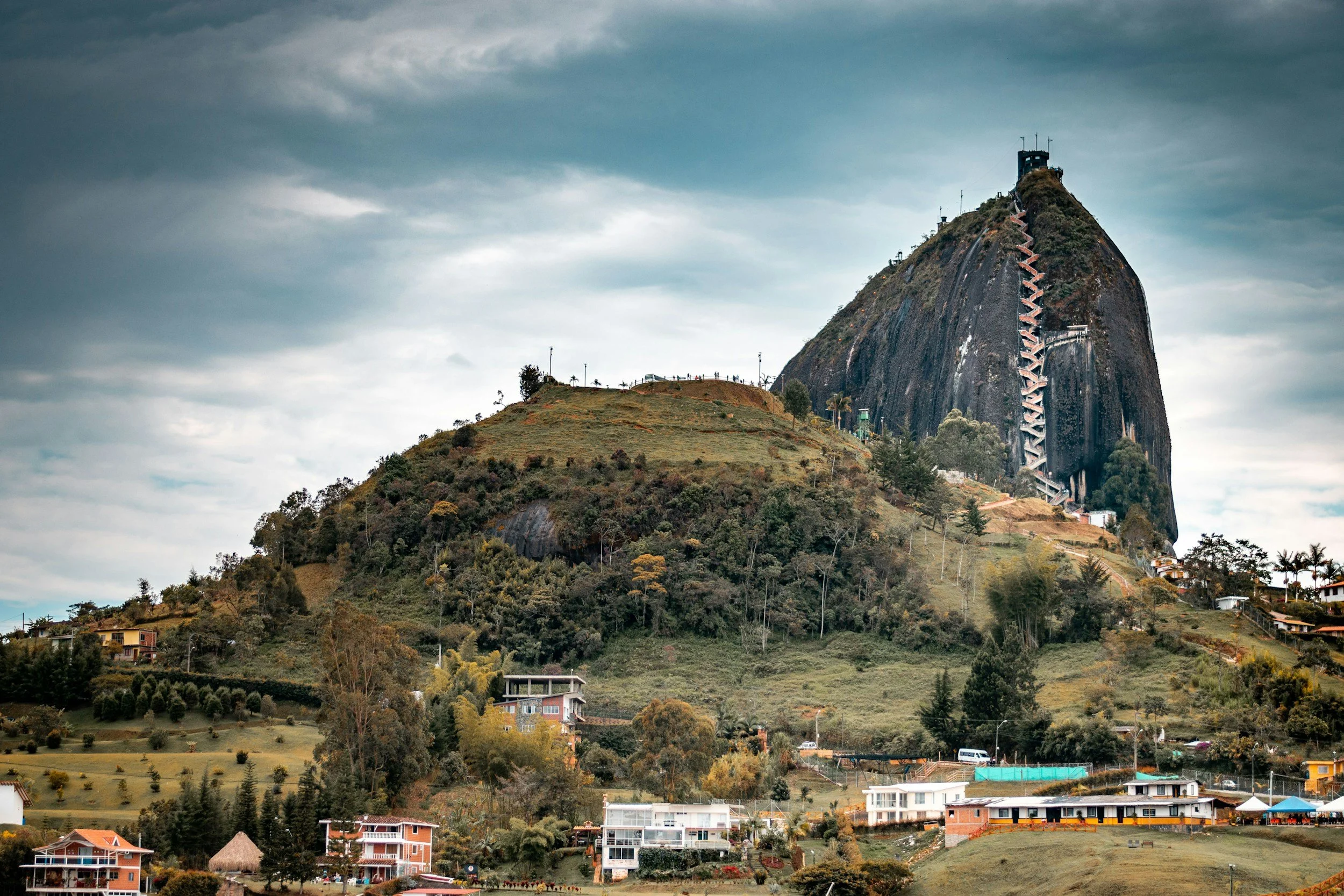
If you have a few extra days in Medellín, one of the most popular excursions is a day trip to Guatapé.
Known for its colourful buildings and decorative “zócalos” (painted panels along the base of homes), this lakeside town feels completely different from the city.
Just outside town is El Peñol Rock, a massive granite monolith with more than 700 steps to the top. The panoramic views over the surrounding lakes are some of the best in Colombia.
Many travelers book a guided day tour instead of navigating buses independently — especially if visiting for a short stay.
👉 See top-rated Guatapé day tours from Medellín here:
Guatapé Tour: Piedra del Peñol with Boat Tour, Breakfast, Lunch
Coffee Tours in Medellín
Colombia is famous for its coffee, and Medellín is a great place to learn about the process from bean to cup.
If you’re interested in visiting a coffee farm or doing a tasting experience:
👉 Browse coffee farm tours near Medellín:
So… Is Medellín Worth Visiting?
Yes.
We found Medellín to be welcoming, dynamic, and far more modern than many people expect. The people were kind, the food scene is growing, and the city has an energy that’s hard to describe until you experience it.
Like any major city, stay aware of your surroundings and use common sense — but don’t let outdated headlines stop you from visiting.
Medellín has changed.
And it’s absolutely worth seeing for yourself.
Watch the full video:
Planning your Trip:
Travel Insurance for Colombia
If you’re planning a trip to Colombia, we strongly recommend having travel insurance.
Unexpected things can happen anywhere — from minor illness to lost luggage — and it’s always better to be prepared.
We personally use SafetyWing for both short and long trips.
You can check them out here:


*This blog post might contain affiliate links which means you click and purchase (at no additional cost to you), you help support this blog.

If you’re planning a trip to the Dominican Republic and wondering where to stay in Cabarete, you’re not alone. Cabarete is a small but vibrant beach town on the north coast, famous for its laid-back Caribbean vibe, water sports, and stunning beaches. Whether you’re coming for kiteboarding, surfing, or just to relax, one of the biggest questions travellers ask is: What’s the best area to stay in Cabarete?